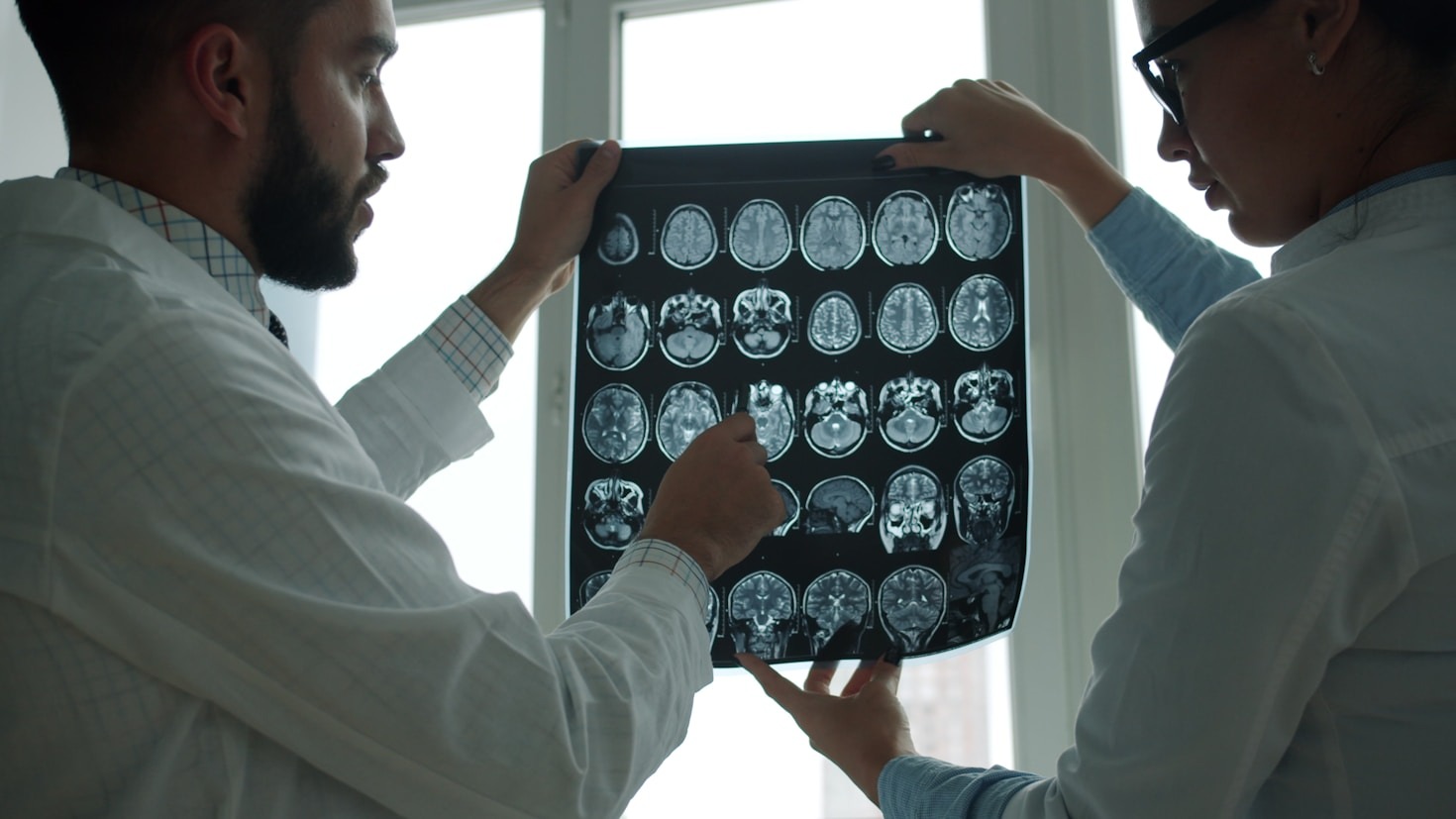
Healthcare is no longer about if we use Artificial Intelligence, but how well we use it. The challenge is not in the technology itself. It lies in the significant education gap that exists across our sector. We have doctors and nurses trained in anatomy, not algorithms. We have executives skilled in finance, not failure modes in machine learning. Therefore, the most critical investment any health system can make today is not in new software, but in new knowledge.
This article serves as a friendly, expert guide to the essential educational resources you need right now. We will map out the necessary learning paths for everyone from the clinician on the ward to the CEO in the boardroom. We need to move beyond simply reading the policy. We must understand how to safely operate and govern these powerful tools.
“The greatest danger in times of turbulence is not the turbulence; it is to act with yesterday’s logic.” – Peter Drucker
1. The Foundation: Regulatory and Policy Literacy
Before any device is switched on, every leader and governance professional must be fluent in the language of Australian health regulation. Ignoring the governance frameworks is not just risky; it is professionally negligent.
The regulatory posture in Australia places a clear onus on the organisation to ensure technology is safe and trustworthy. Following extensive consultation, the Commonwealth Government launched the National AI Plan, a strategic blueprint that sets the tone for AI usage ([1], [2]). This policy framework tells us exactly what the government expects.
It is vital that teams understand the role of the new National AI Safety Institute (AISI), announced in late 2025. The AISI acts as a technical hub. It monitors, tests, and shares critical information on emerging AI risks ([1]). Consequently, knowing how to interpret the AISI’s guidance is a new, mandatory skill for every Chief Medical Officer and Chief Information Officer. However, the immediate, practical legal concern remains with the Therapeutic Goods Administration (TGA).
The TGA’s regulation of Software as a Medical Device (SaMD) is the foundational text for all clinical AI. If your software makes a clinical claim (e.g., diagnosis, prognosis, treatment planning), it is SaMD, and it is regulated [3]. Effective educational modules must cover:
- SaMD Classification: When is a piece of software simply an administrative tool, and when is it a high-risk diagnostic tool? Understanding this distinction is the first step to compliance.
- Evidence and Validation: Leaders must be trained to demand robust evidence packages from vendors. This goes beyond simple marketing. It requires proof of clinical validation and adherence to quality management systems.
- Post-Market Surveillance: As AI models change and learn, the regulatory obligation does not end at launch. Educational programmes must teach teams how to monitor, update, and manage the lifecycle of a regulated SaMD product.
Resources like the TGA’s official guidance and industry-partnered webinars are essential here. They provide the practical tools necessary to convert complex policy into auditable workflows.
2. Practical Education: Training the Clinical Frontline
If you are a clinician, your focus is necessarily on the patient, not the policy document. Therefore, educational resources for the frontline must be grounded in clinical reality and user experience. The goal is to build intelligent trust, not blind reliance.
The shift is exemplified by the success stories we see today. For example, in Australia, AI is actively improving the accuracy and efficiency of cancer detection in mammography screening programmes [4]. This is not just technology; it is a new collaborative working method. Clinicians need education on:
- Algorithm Oversight: Training must teach users how to recognise when an AI output might be biased or incorrect. This is often called “algorithmic literacy.”
- Simulated Deployment: Education is most effective when it is hands-on. Using simulated environments to trial ambient AI scribes—such as those trialled by the NHS, which demonstrated potential time savings of up to 400,000 hours per month for staff [5]—allows clinicians to learn by doing, without risking patient data.
- Ethical Scenarios: Case-based learning on ethical dilemmas is vital. What if the AI suggests a treatment that contradicts the patient’s expressed wishes? Education must cover the human decision loop. After all, the TGA clearly views AI as a tool that supports, but does not replace, clinical judgment [7].
The best resources here come from university-led consortia and medical colleges, which are developing specialised certificate programmes focused on digital health and AI safety. These bodies provide the peer-reviewed authority that clinicians trust.
3. Executive and Governance Education: The Strategic View
The educational needs of the C-suite are different. They do not need to operate the AI; they need to govern it. Their focus is on fiduciary duty, strategic risk, and organisational liability.
Executive education must address the deeper strategic implications of AI adoption. The challenge for the strategic leader is often systemic. It requires ensuring that legal and ethical frameworks can keep pace with this velocity of innovation.
- Risk Auditing: Programmes focused on the legal side must teach leaders how to conduct pre-emptive AI risk and impact assessments. This is a governance task, not an IT task.
- Procurement Strategy: Executives must be trained to negotiate contracts that explicitly address liability and model accountability. You cannot treat an AI vendor contract like an elevator maintenance agreement. Therefore, modules on vendor due diligence and contract negotiation are essential.
- Culture of Literacy: The greatest risk to the C-suite is the collective ignorance of their teams. Education for executives must centre on how to foster a culture of AI literacy across the entire organisation, reducing institutional risk from the top down.
Resources in this space often take the form of short, sharp executive masterclasses or workshops delivered by legal and policy experts. These programmes translate complex regulatory risk into simple, auditable governance steps.
4. Essential Resources Available Now
Moving forward requires a proactive approach to learning. Here are key categories of resources available right now for continuous professional development:
| Resource Category | What It Offers | Target Audience |
| Government Policy Sites | Official guidance on the National AI Plan, AISI, and TGA SaMD rules. Direct, primary source information. | Executives, Governance/Legal Teams |
| Academic & Medical College Modules | Peer-reviewed certificate programmes and structured courses on digital health ethics and implementation. | Clinicians, Researchers |
| Industry Consortia & Alliances | Webinars, best practice guides, and collaborative frameworks for safe AI deployment. | IT Leads, Procurement Officers |
| Specialist Newsletters | Regular briefings that cut through the noise, translating complex policy changes into plain English operational summaries. | All Users (Crucial for continuous learning) |
| Simulation & Sandbox Environments | Hands-on, risk-free environments for staff to train on new AI tools before they are deployed live. | Clinicians, Training Managers |
Final Thoughts on Lifelong Learning
The velocity of AI development means that education is not a once-off event; it is a continuous process. Today’s solution may be tomorrow’s compliance risk. Your organisation’s ability to safely and successfully navigate the future of health depends entirely on its commitment to knowledge. By making these educational investments, you are not just purchasing training hours; you are purchasing stability, safety, and ultimately, success in this new frontier. It is time to treat AI literacy as the essential life support system it truly is.
References
- MinterEllison. Australia introduces a national AI plan: Four things leaders need to know. [URL:
https://www.minterellison.com/articles/australia-introduces-a-national-ai-plan-four-things-leaders-need-to-know] - Department of Industry Science and Resources. Australia launches National AI Plan to capture opportunities, share benefits and keep Australians safe. [URL:
https://www.industry.gov.au/news/australia-launches-national-ai-plan-capture-opportunities-share-benefits-and-keep-australians-safe] - Therapeutic Goods Administration (TGA). Regulation of software as a medical device. (This link should point to the TGA’s official guidance on SaMD).
- Ai Health Alliance. Cutting-edge AI technology to support radiologists at BreastScreen NSW and Victoria. [URL:
https://aihealthalliance.org/2025/06/] - GOV.UK. Major NHS AI trial delivers unprecedented time and cost savings. [URL:
https://www.gov.uk/government/news/major-nhs-ai-trial-delivers-unprecedented-time-and-cost-savings] - Digital.gov.au. AI Plan for the Australian Public Service 2025: At a glance. [URL:
https://www.digital.gov.au/policy/ai/australian-public-service-ai-plan-2025/at-a-glance] - AHA. AHA urges smarter AI regulation for advancing innovation, safety and access to health care. [URL:
https://www.aha.org/news/headline/2025-10-27-aha-urges-smarter-ai-regulation-advancing-innovation-safety-and-access-health-care]
Leave a Reply